Learn The Importance of Intangible Asset Disclosure for Attracting Investors
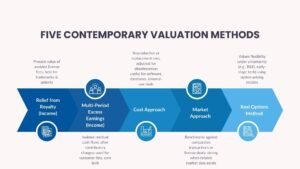
In the contemporary economy, intangible assets have become the most valuable resources of most companies, not manufacturing facilities, equipment and goods. Intellectual property, proprietary software, brand reputation, customer relations, and data-based platforms are now the biggest parts of corporate value in industries as divergent as technology, finance, and consumer goods. However, even though the intangible assets are gaining prominence, they are not well represented or accounted for in already existing financial statements, making it crucial to understand how to value intangible assets for businesses.
This uncertainty is a problem among those who invest. Unless there is improved disclosure of intangibles, it is challenging to understand the value of a firm, to judge its competitiveness and prospects of development. The need to report more on intangibles and in a more transparent way is becoming higher and companies that respond to it are likely to be awarded better valuations by the investors, the trust of the shareholders and reduced risk premium.
Why Intangible Assets Dominate Modern Business Value
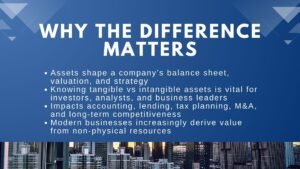
The world over, the economy has changed over the past couple of decades to be more of a knowledge-based economy. In this novel universe, company market value may have less to do with the hard assets of the company and a lot more to do with its intangible assets, its brand strength, technological leads, customer relationships and innovation levels.
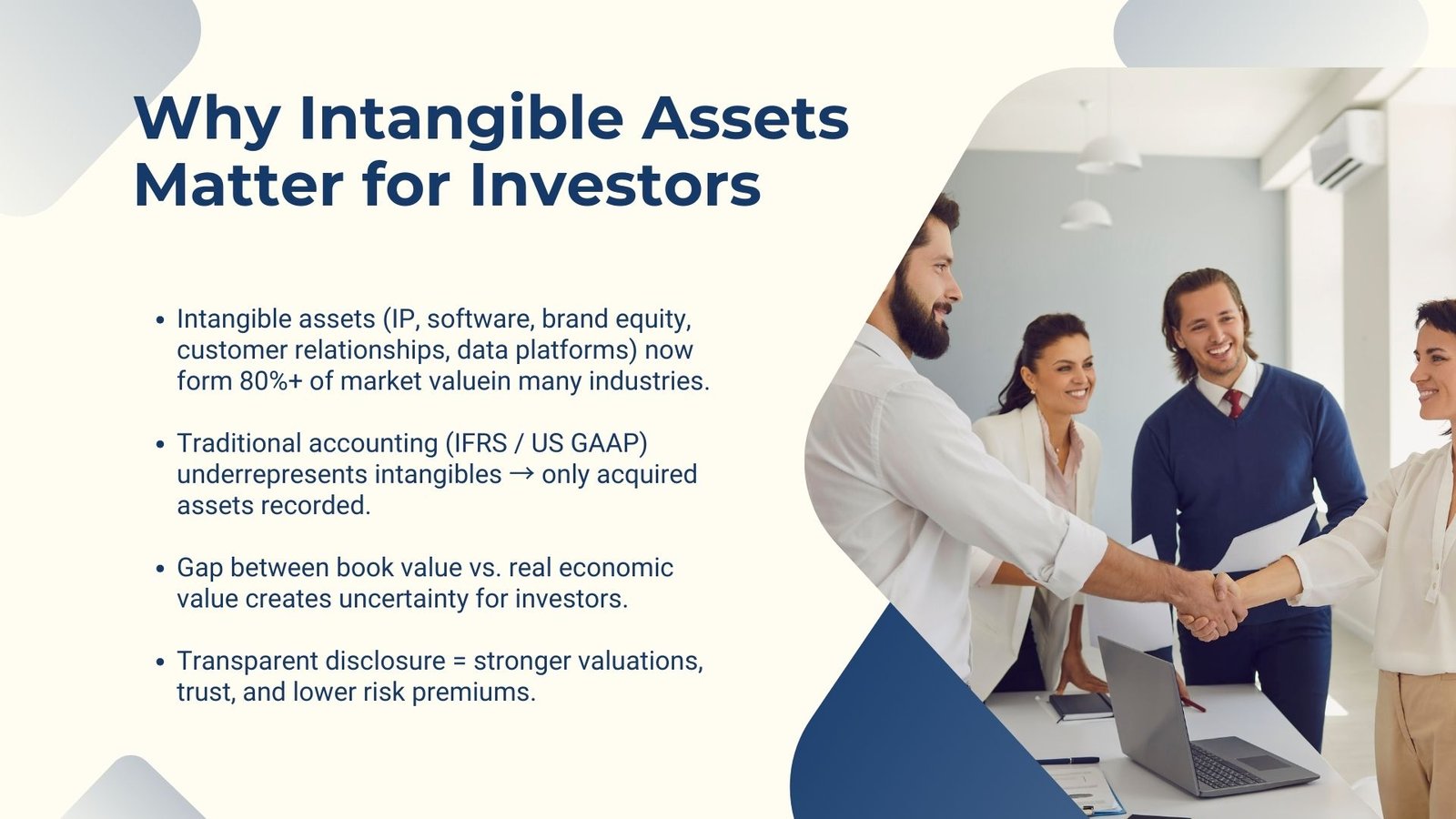
It has been consistently determined that intangible assets currently represent the majority of the market cap of major companies publicly listed. The amount can be more than 80 per cent in the case of the technology giants. Even in long-established industries, barriers to entry in the form of intangible resources, including proprietary design, strong brand equity, or exclusivity distribution network, can be the ultimate difference in the competitive landscape.
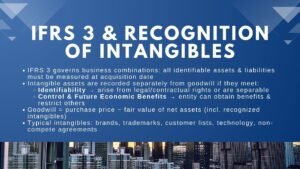
However, due to the accounting requirements of IFRS and US GAAP, such accounting standards pick up only some forms of intangibles like those that are acquired under business combinations. Tangibles that are internally generated e.g. brand development, proprietary algorithms or internally constructed customer databases are often not recognized on the balance sheet at all unless they are purchased. This implies that the book value of numerous enterprises can undervalue the real economic worth of its market value considerably, making a gap of information to the investors.
The Investor Perspective: Why Better Disclosure Matters
Investors do not just operate through financial statements to report on what a company was doing but also predict on what to expect in the future. Poor disclosure of intangible assets leaves the investors to speculate on their dimension, quality, and its capabilities of last. Such lack of information may also raise uncertainty and, consequently, higher premium risk that investors will demand.
Improved disclosures of intangible assets would enable the investors to:
- Get the real motive that spurs the value of the company.
- Investigate the competitiveness.
- Compare better companies in an industry.
- Be able to predict future incomes better.
Consider an example where the software company will have high R&D expenses and hence record the expenses to cut down on the profit in the short-term. Investors are unable to easily understand the value that those investments have the potential of creating in the long-term, without such disclosure. Likewise, the consumer goods firm with a high customer loyalty can fail to disseminate the benefits of customer loyalty as a physical value, but this can be one of the most impactful forecasters of the future revenue dependability.
As firms are increasingly reporting detailed qualitative and quantitative reports on intangibles, e.g., customer retention rates in brands, valuation measurement of brands, or strength of their IP portfolio, investors have a better understanding of the business model and its endurance.
The Current State of Intangible Asset Reporting
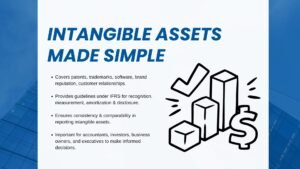
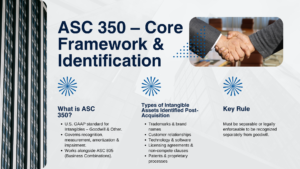
In IFRS (IAS 38) and in the US issues like intangible assets are regulated heavily in their recognition aspect but are very narrow in scope. Broadly, only those intangible assets that are acquired separately identifiable through purchase and an acquisition individually or in the composition of a business combination are recorded in the balance sheet. This comprises things such as patents, trademarks and customer lists bought.
Intangibles developed internally are expensed as they are incurred unless they can meet strict capitalization rules. This implies that other high-value resources like a brand that has been built over a long period of time, business proprietary processes, or internally developed technology platforms will not be reflected as an asset on the financial statements.
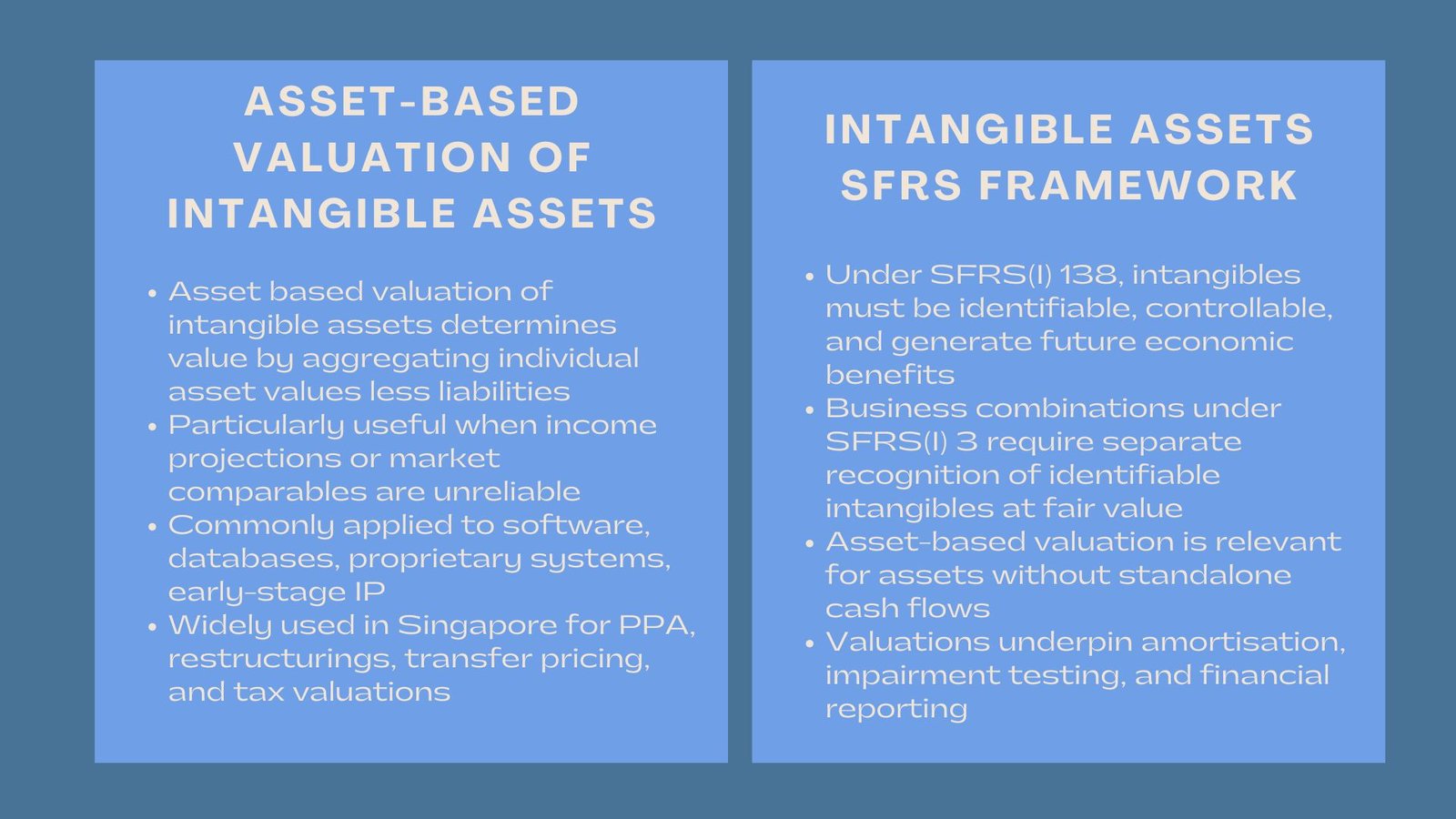
M&A transactions often present purchase price allocation (PPA) exercises that can be used to help reveal the level of intangible assets that could never be identified before the acquisition took place. This points out how the current reporting mechanisms can distort the real economic situation until there is a transaction which causes an assessment of fair value to be determined, highlighting the importance of knowing how to allocate purchase price to intangible assets accurately.
This causes inconsistency to the investors. A firm that has been organically grown may have a low number of assets, which an otherwise identical firm that has been grown using acquisitions could report substantial intangible assets on its balance sheets, although their presence in their actual businesses and capacity are the same.
Best Practices for Improved Intangible Asset Disclosure
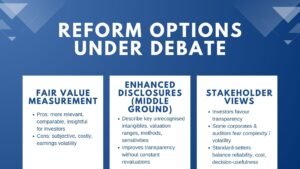
The fact that the current accounting standards restrict the amount that can be recorded as an asset leaves the option of companies doing their best to enrich the quality of disclosures made by providing supplementary information. This may be accomplished without breaching the rules of accounting by giving amplified notes to the financial statements, management discussion and analysis (MD&A) sections, or sustainability and integrated reports, while also focusing on how using financial statement analysis to evaluate growth and risk.
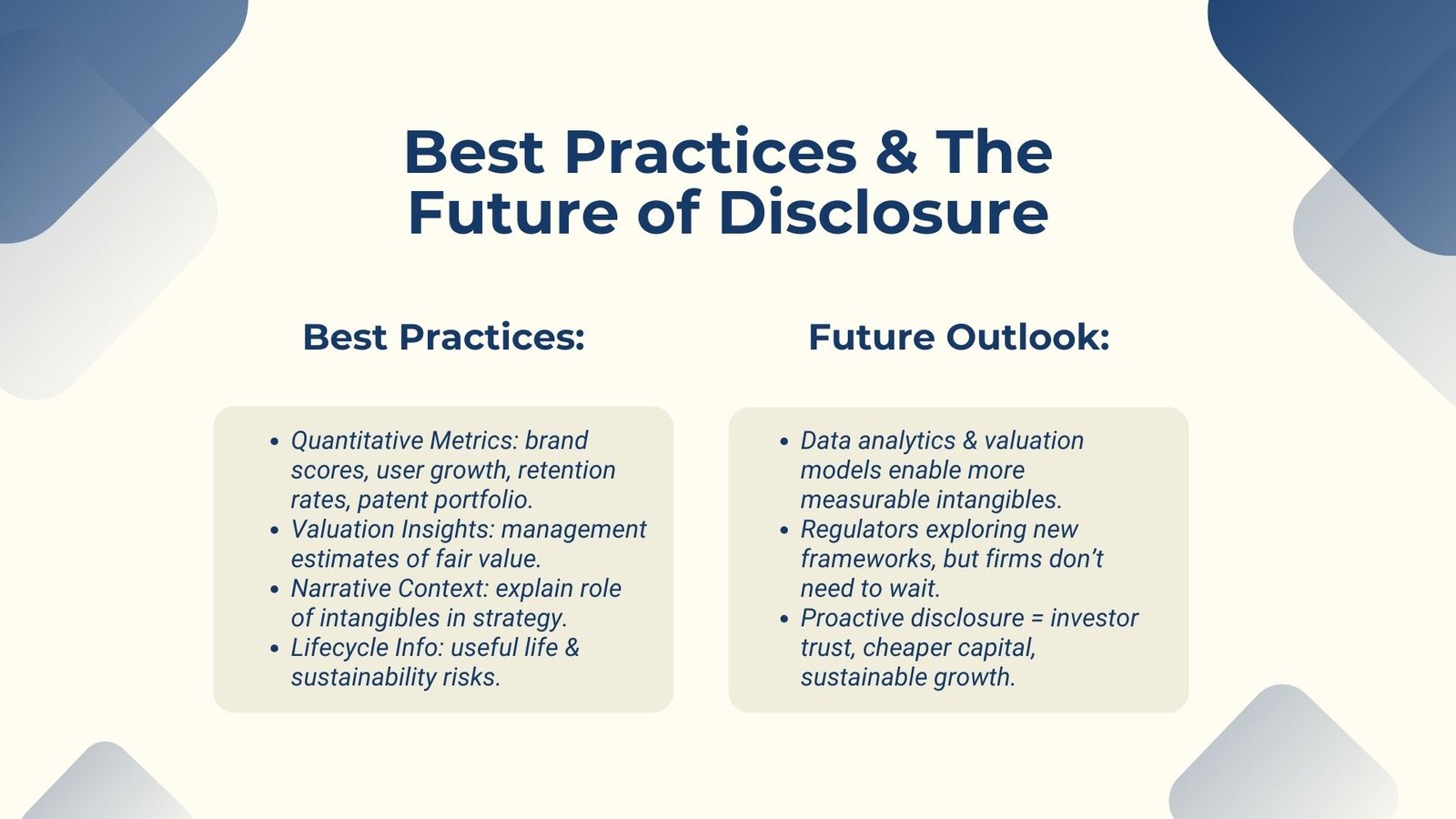
Some of the best practices to enhance disclosure are:
- Quantitative Metrics: Reporting metrics key performance indicators based on the intangibles e.g. scores on brand awareness, customer satisfaction, user growth rates or the size of patent portfolio.
- Valuation Insights: Providing the estimates by the management as to the fair value of the major intangible assets, although they are not reflected on the account sheet.
- Narrative Context: Discussing the strategic place of intangibles in the business model and how intangibles are created and how they drive revenue growth.
- Lifecycle Information: The information about the expected useful life of important intangibles and threats to their sustainability.
To illustrate, a media business developer may report audience engagement data, advertisement penetration, and licensing deals to the content. A biotech company may present the information about its R&D pipeline, patents filing, and regulatory events. The disclosures will inform the investors with the tools to know more and be capable of valuing the intangibles that drive the company.
The Role of Technology and Analytics in Intangible Asset Transparency
The introduction of data analytics and new ways of valuation are making the valuation of intangible assets easy to measure, and easier to explain. Brand valuation models, customer lifetime value analysis, and intellectual property scoring systems are just a few examples of tools that can now put a quantitative figure to such hard-to-measure drivers to provide information that is useful to investors.
The companies can take the advantage and form more credible and data-based disclosures using these tools. As an example, instead of saying that brand equity is core strength, a company can present the trend of the brand valuation with a quantification according to recognized methodologies. Likewise, instead of stating that the firm is strong in its customer relationships, the company could include customer retention rates, average dollar contribution per customer and churn rates as metrics.
This can also assist the management in making better strategic decisions within the enterprise as it creates a more accurate connection between the role of intangible assets and the corporate strategy. When reported externally, they fill in the disclosure between the accounting recognition rules and the information that investors require.
Moving Toward a More Transparent Future
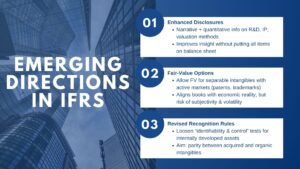
Regulators and standard-setters are waking up to the shortcomings of existing reporting of intangible assets. There are currently discussions on the necessity of new frameworks that might be provided, or even on the improvement of disclosure requirements to respond to the increasing significance of intangible value. Although any systematic changes to the accounting rules might be slow, the companies do not need to wait to enhance their disclosures.
When the companies consciously follow industry best practices in reporting of intangibles they can stand differentiated in the eyes of the investors. Transparency incurs trust, decreases perceived risk and can even yield less expensive money. Such benefits are not insignificant in a competitive capital market, and they can even predetermine the growth rates and stability of a certain company throughout the years.
Investors on their part are getting more vocal on how they felt they need more insight into intangible drivers. Asset managers, analysts, and institutional investors, among other concerned parties, are urging more specific and consistent disclosures, as a means by which to make decisions, or inform investment decisions. Such companies can enhance their relationship with investors by being proactive in their response to these expectations and therefore, become successful in the long term.
Conclusion: Bridging the Gap Between Value and Reporting
The technological change has resulted in a mismatch between the economic significance of intangible assets and their overall financial reporting, which is one of the most urgent questions in the history of contemporary disclosure. As an investor, you need to consider how strong a company is in matters of intangibles in order to know their competitive advantage, growth opportunity and risk.
The need to clarify this perception can be remedied with better disclosure, quantitative in metrics and valuation observations as well as qualitative in context. Companies that have moved toward greater intangible asset disclosure are doing more than simply satisfying investors; they are explaining what their businesses are about more effectively.
The value held of an organization may often depend much more on the less-tangible asset than more. In such a market, it is no longer optional to understand the value of intangibles and how it is being cultivated. It is an indispensable constituent of winning investor trust, building sustainable competitiveness, and attaining long-time shareholder value.