Understanding Depreciation vs Amortisation for Intangible Assets in Business
Understanding Depreciation vs Amortisation for Intangible Assets in Business
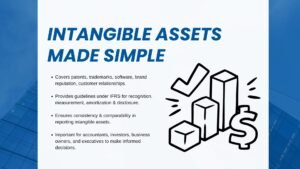
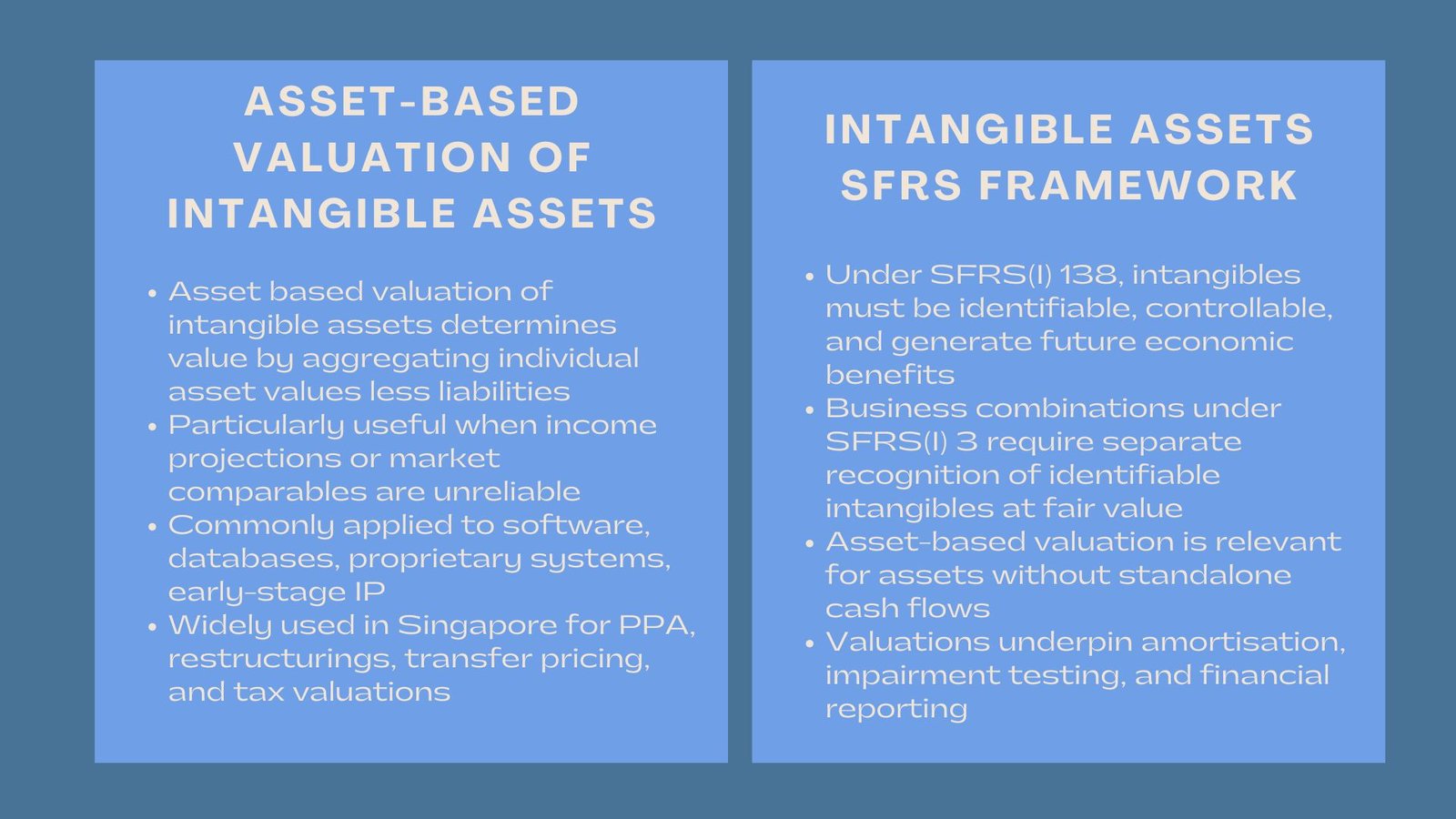
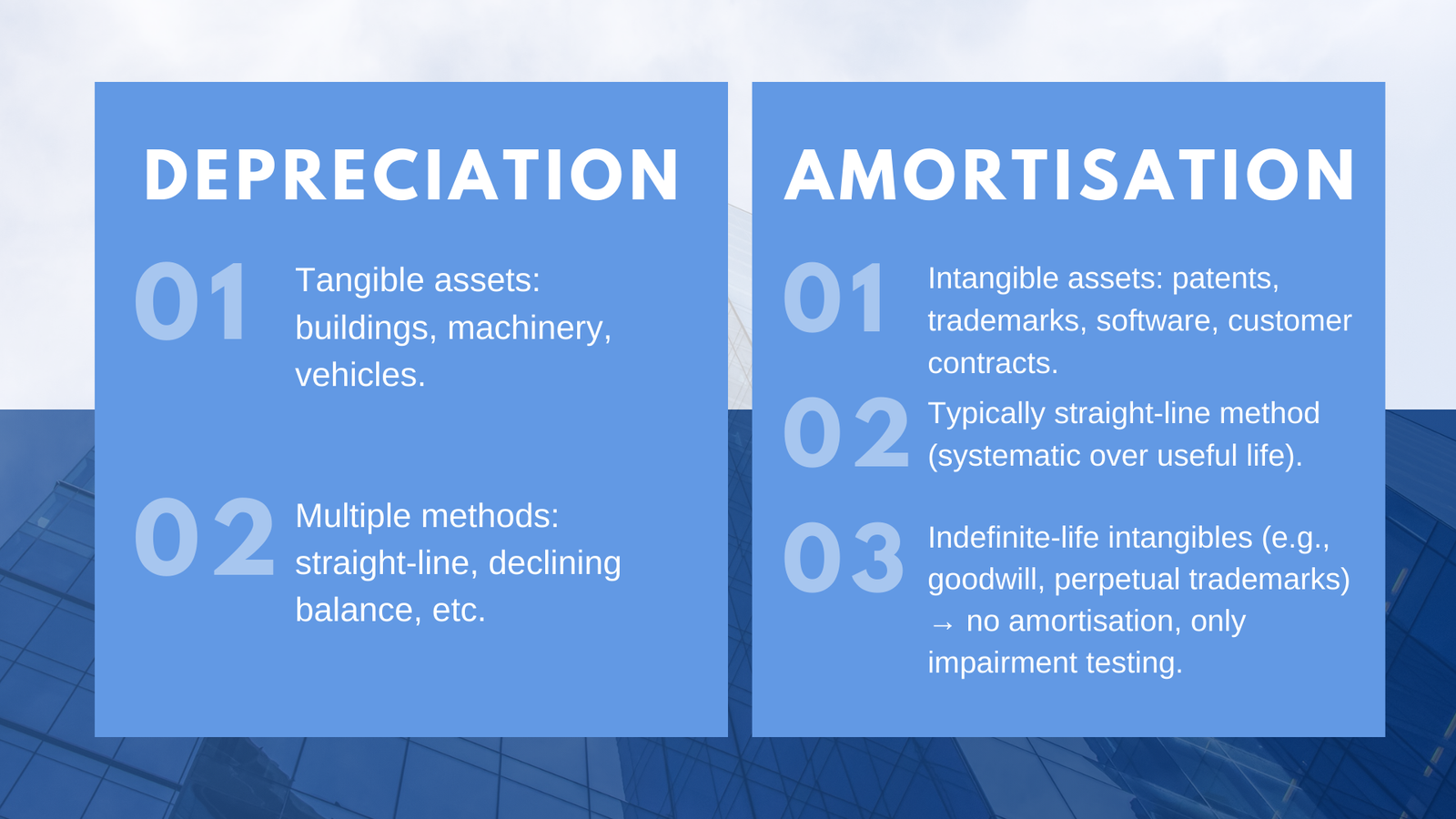
Although the concepts of depreciation and amortisation use the concept of allocating the cost of assets over some time, the two apply to different kinds of assets and are governed by various rules in terms of accounting. Depreciation is the wear and tear of tangible items such as buildings or machines, whereas amortisation refers to immaterial things like patents, trademarks, software and customer contracts. Dwelling on intangibles, the article touches on the aspects of the differences between amortisation and depreciation, the reasons why these differences are important, and the ways of applying in practice by companies, often supported by intangible asset valuation services in Singapore.
Understanding Depreciation and Amortisation Distinctions
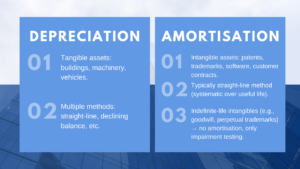
On their basic part, depreciation and amortisation are ways in which costs are to be allocated with the intent to observe the expense of assets and correlate the same with revenue made by the same. Depreciation is associated with physical assets with limited usefulness; plant, equipment and vehicles which wear out or become obsolete as a result of their use. Amortisation on the contrary is imposed on non-capital investments like intellectual property, brand, proprietary software or contract right, showing clearly how amortization applies to intangible asset cost allocation.
Contrary to depreciation where various methods can be utilised including straight-line or declining balance, what are depreciation methods in intangible asset reporting becomes an important consideration, while amortisation is normally applied where straight-line approach is determined and the cost spread rationally on the useful life of the asset. Other intangible assets that have an indefinite life span, such as perpetual trademarks, are not amortised and they are impairment-tested yearly. Such differences are crucial in that they influence financial reporting, tax deductions, and performance levels.
How Amortisation of Intangibles Differs from Depreciation
In contrast to depreciation there are various methods to discuss accelerated usage or wear but nearly all amortisation is done using a straight-line method. This is reflective of the economics thought that numerous intangible assets diminish with a constant rate over their effective lifespan.
The process of amortisation starts at the moment the asset can be utilised and ends the moment its residual value shows a figure of zero or when the estimated useful life of the asset is exhausted- whichever is premature. In case the benefit of the intangible asset ceases earlier than expected or there is technological obsolescence, then the loss is written down under impairment regulations.
Depreciation can permit differing schemes on the basis of tax or accounting preferences- machines may depreciate sooner in the initial years, as they are heavily used. Most accounting systems do not allow such variability in intangibles, although in usage-based systems, where the economic consumption may warrant different systematic amortisation schedules, the same may be made.
Common Intangible Assets Subject to Amortisation
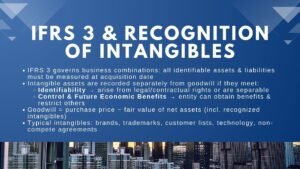
Intangibles are highly diverse, yet some most common types that are amortised are customer lists and contracts, patents, proprietary software, non compete contracts, and acquired brand value. It is a particular feature of business combinations, which tend to offer significant amounts of intangible value previously unrecognised by the balance sheet of the acquirer upon application of purchase price allocation.
An example would be the relationship that customers would have with a company identified in a merger wherein amortisation is spread over a calculated retention and revenue level. Amortisation of patents occurs on a legal life or useful life basis, which is the shorter. Amortisation of the software either purchased or internally developed may be done over the expectancy of it being in operation, which is usually three to five years. More importantly, intangible assets that do not have a definite life like a trademark, or goodwill, are tested against impairment rather than amortisation on the systematic basis.
Financial Reporting and Tax Implications
Reporting wise, the effect of amortisation is that the profits realised are reported less during the useful life of the asset. In the case of intangible-heavy companies, this represents a never-ending amortisation expense that will influence the earnings per share, the returns on assets and other financial outcomes. The disclosure of Amortisation schedules in the footnotes should be in precise language of what is to be the useful life, method and also the carrying amount that is gross and net.
The tax treatment tends to reflect the accounting one, but differs by jurisdiction. Other intangible assets can be eligible for amortisation and immediate write-off, as tax regimes can encourage innovation or investment in software. This establishes book and tax amortisation timing disparities, that give rise to deferred taxes liability or assets. The alignment with tax regulations should also be done properly to prevent the mismatch that may lead to audits or adjustments.
Why Focus on Intangibles Matters for Financial Strategy
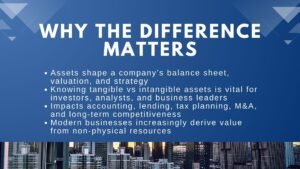
Since, in the contemporary business context we have seen the concept of the intangible assets be of greater value than ever before, amortisation is not only an important concept to be understood, but is a crucial point to be considered in strategy as well. In asset-light companiesAsset-light companies–particularly those that deal with technology, media, or branded services–frequently possess very little tangible value and a lot of intangible worth. Such companies can incorrectly expect profitability or capital structure without proper amortisation planning.
The management ought to hence take care of useful-life estimates, amortisation schedules, and impairment indicators. Assuming that the relationship with a customer should provide value over a five-year period rather than over three years, then this longevity ought to be recognised through amortisation. Impairment tests on a regular basis are to protect the excessive values of the assets when projected benefits do not come to fruition.
To investors and analysts, more certainty about the manner of amortisation gives a clearer idea about the basics of business economics as companies undertake R&D, branding, or the purchased technology. The information on intangible assets that are amortised, over what period and how changes are shown assists an analyst in recasting forecasts, gauging growth and earnings sustainability.
Conclusion: Understanding Depreciation vs Amortisation for Intangible Assets in Business
Although the accounting purposes of depreciation and amortisation can be quite similar, the effects on financial statements and strategies are very different – more particularly, when it comes to intangible assets. The amortisation of non-physical assets is an intentioned exercise meant to align the costs of the non-physical assets with economic value which tends to be appreciated in straight-line mode bearing in mind assumptions of useful life. Correct amortisation is not only necessary to meet compliance but also to ensure sound financial reporting, credible tax planning and greater insight into the strategic issues intrinsic to business value.
Accounting and tax standards should also be matched, the methodology should be consistent, and documentation must be clear to be effective in management. By knowing the assumptions underlying amortisation, the boards, investors, and analysts will have a greater ability to see and review the performance of the companies, to judge the value of the M&A, and to predict the sustainability of the cash flow. In a world where intangible asset value is starting to take over the balance sheet, understanding the difference between depreciation and amortisation and paying special attention to the amortisation of intangible assets, is, not merely important but it is central in order to be considered a professional financial steward.